Darknet Markets 2026:
The dark web is part of the deep web but is built on darknets: overlay networks that sit on the internet but which can't be accessed without special tools or software like Tor. Tor is an anonymizing software tool that stands for The Onion Router — you can use the Tor network via Tor Browser.
| Darknet Market | Established | Total Listings | Link |
|---|---|---|---|
| TorZon Market | 2022 | 140+ | Onion Link |
| Nexus Market | 2024 | 600+ | Onion Link |
| Abacus Market | 2022 | 100+ | Onion Link |
| Ares | 2026 | 100+ | Onion Link |
| Cocorico | 2023 | 110+ | Onion Link |
Updated 2026-10-13
Private Shopping on the Darknet
The operational framework of a darknet marketplace is engineered for discretion and anonymity, beginning with access through specialized software like Tor. This network obscures a user's IP address, making their browsing activity untraceable to their physical location or identity. The core of the transaction process hinges on the use of anonymous cryptocurrency payments, primarily Bitcoin or Monero, which function without the need for personal banking details and provide a public ledger of transactions that is not directly tied to real-world identities.
This financial layer is complemented by a system of verified vendor profiles, which are essential for establishing market trust. Vendors undergo a community-based verification process, and their historical transaction data, including sales volume and customer feedback, is publicly displayed. Shoppers can therefore make informed decisions based on a seller's proven track record, significantly mitigating the risk of fraud. The entire ecosystem is designed to facilitate secure and private commerce by integrating these technological and social components seamlessly.
Private Payments for Darknet Purchases
Cryptocurrency transactions form the backbone of the darknet marketplace economy, providing a level of financial privacy unattainable through traditional banking. Unlike credit card payments or bank transfers, which are permanently linked to an individual's identity, cryptocurrencies like Bitcoin and Monero operate on decentralized networks. This allows buyers to make payments without revealing sensitive personal information, effectively creating a barrier between their financial activity and their real-world identity.
The process is streamlined for user convenience. A buyer selects their desired products, and the marketplace's software generates a unique crypto wallet address for that specific transaction. Funds are sent to this address, where they are typically held in escrow by the marketplace until the buyer confirms satisfactory receipt of the goods. This system not only protects the buyer's privacy but also secures the vendor against fraudulent chargebacks, a common issue in conventional e-commerce. The entire payment mechanism is designed for efficiency and security, relying on the immutable nature of blockchain technology to create a trustworthy and anonymous financial environment for all participants.
How Encryption Keeps Darknet Shopping Private
Encryption is the fundamental technology that enables secure and anonymous transactions on darknet marketplaces. It functions as an unbreakable digital lock, ensuring that all communications between a buyer and a vendor remain strictly confidential and inaccessible to any third party.
When a user accesses a marketplace, their connection is routed through the Tor network, which obscures their IP address and physical location. This process is enhanced by end-to-end encryption (E2EE) for all messages. This means that only the intended recipient, possessing the correct private key, can decrypt and read the contents of a message. Even the marketplace administrators cannot access the substance of these communications, which typically include order details, shipping addresses, and any other sensitive information.
This layered approach to security directly facilitates anonymous shopping. A user can place an order for any product, from pharmaceutical products to digital goods, with the assurance that their identity is protected. The system is designed so that a vendor only receives the information necessary to fulfill the order, without any data that could personally identify the buyer. This creates a environment where privacy is not an option but a built-in feature, allowing for a free and open market based on the principles of cryptographic security and mutual trust established through verified vendor profiles and community feedback systems.
Easy Access to Medicine and Goods on the Darknet
The darknet marketplace ecosystem provides an extensive catalog of goods, with a particular emphasis on pharmaceutical products that are often difficult to source through conventional channels. The model operates on principles of direct access and consumer choice, connecting buyers with a global network of suppliers.
Transactions are streamlined through the use of anonymous cryptocurrencies like Bitcoin and Monero, which facilitate secure and untraceable payments. This financial layer is critical for maintaining privacy for all parties involved.
The integrity of these transactions is upheld by a system of verified vendors. A seller's reputation, built upon consistent positive feedback from previous buyers, serves as the primary metric for trust. This user-generated review system creates a self-regulating environment where quality and reliability are incentivized.
Purchasing is further secured by escrow services, where funds are held by a third party until the buyer confirms satisfactory receipt of the product. This mechanism significantly reduces the risk of fraud, ensuring a safer exchange for niche and specialty items.
Building Trust with Feedback on the Darknet
User feedback on darknet marketplaces functions as a primary mechanism for establishing transactional trust in an environment where legal recourse is absent. Each completed purchase allows a buyer to leave a detailed review and a standardized rating, typically on a five-star system, which covers product quality, shipping speed, and stealth of packaging. This system creates a transparent and verifiable reputation for every vendor, directly influencing their visibility and sales volume.
Vendors with consistently high ratings and positive reviews naturally ascend in marketplace search rankings, gaining more customers. This incentivizes sellers to maintain high standards, as negative feedback or a dispute can severely damage their standing. The feedback loop is self-reinforcing: buyers are more confident purchasing from a vendor with a long history of positive transactions, and sellers are economically motivated to honor their commitments to protect their reputation. This collective user verification creates a self-policing ecosystem where reliability is continuously demonstrated and recorded, reducing the inherent risk for all parties involved.
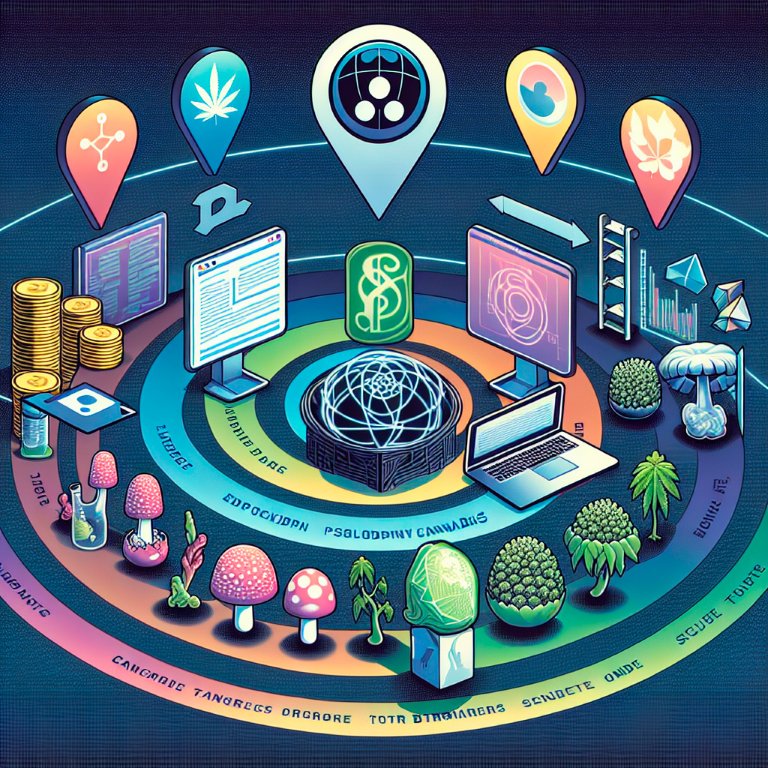
Safe Shopping with Escrow on the Darknet
Escrow services function as a neutral third party, holding a buyer's cryptocurrency funds until the purchased goods are confirmed as delivered. This system directly addresses the inherent trust deficit in anonymous environments by ensuring that vendors are paid only after fulfilling their part of the agreement. The process begins when a buyer initiates a purchase; the cryptocurrency is immediately transferred from the buyer's wallet into the marketplace's secure escrow account, not to the vendor. This action freezes the funds, making them inaccessible to both parties until the transaction is either completed or disputed.
The vendor is notified that the payment is secured in escrow, which signals them to proceed with shipping the product. Upon receiving the order, the buyer finalizes the transaction, which releases the held funds from escrow to the vendor's wallet. This mechanism protects buyers from vendors who might not ship items after payment and protects vendors from fraudulent chargebacks that are common in traditional e-commerce. The entire process is automated by the marketplace's software, ensuring that disputes are handled through a structured resolution system where moderators can review communication and evidence before releasing funds appropriately.
How Vendor Reputation Builds Trust on the Darknet
The darknet marketplace ecosystem operates on a foundation of decentralized trust, where the vendor's reputation serves as the primary mechanism for risk mitigation and quality assurance. Unlike traditional e-commerce with centralized dispute resolution, these platforms rely on a self-regulating system where feedback from previous transactions is the most valuable currency. A vendor's established history of successful deliveries and product quality directly translates into higher sales volume and the ability to command premium prices, creating a powerful economic incentive for honest business practices.
This system benefits buyers by providing a transparent record of a vendor's performance. Key metrics include:
- Transaction completion rate and consistent on-time shipping.
- The quality and purity of products as reported in detailed user reviews.
- Professionalism in stealth packaging and secure shipping methods.
- Responsive and helpful communication throughout the process.
For new participants, this reputation system lowers the barrier to entry into a secure shopping experience. Buyers can make informed decisions by selecting vendors with a long and positive track record, effectively crowdsourcing the verification process. This collective intelligence ensures that reliable vendors thrive while those who provide substandard products or services are quickly identified and marginalized by the community, maintaining the overall health and reliability of the marketplace.
How User Reviews Keep Darknet Markets Honest
Community reviews are the primary mechanism for quality control and vendor accountability on a darknet marketplace. Each transaction concludes with a buyer leaving detailed feedback on the product's purity, the accuracy of its weight, and the seller's shipping speed and stealth. This system of crowdsourced verification provides an accurate, real-time reputation score for every vendor, allowing new buyers to make informed decisions based on a large sample of past experiences rather than marketing claims.
The review process creates a transparent and self-policing environment. Vendors with consistently high ratings and positive feedback naturally receive more business, incentivizing them to maintain high standards. Conversely, those who attempt to scam users or sell inferior products are quickly identified through negative reviews, which severely limits their ability to operate. This organic form of regulation ensures that only the most reliable and trustworthy vendors thrive, effectively weeding out bad actors without any central oversight.